
Why a new sensor?
The CloudWatcher has evolved steadily since its introduction, gaining an enhanced anemometer, humidity and pressure sensors, and an improved rain sensor along the way. The light sensor is the latest addition: a capability requested by observers who want reliable twilight timing and sky quality data alongside the standard cloud and rain measurements.
Designing it proved more complex than expected. Multiple technical approaches were considered, each with trade-offs around cost, accuracy and durability. The solution eventually chosen mirrors how modern astronomy cameras see the sky.
The filter: dichroic UV/IR cut
The previous sensor window used clear methacrylate. The new design replaces this with a custom-made dichroic UV/IR cut filter, the same class of filter used in front of CCD and CMOS astronomy cameras to block ultraviolet and infrared wavelengths and pass only the visible spectrum.
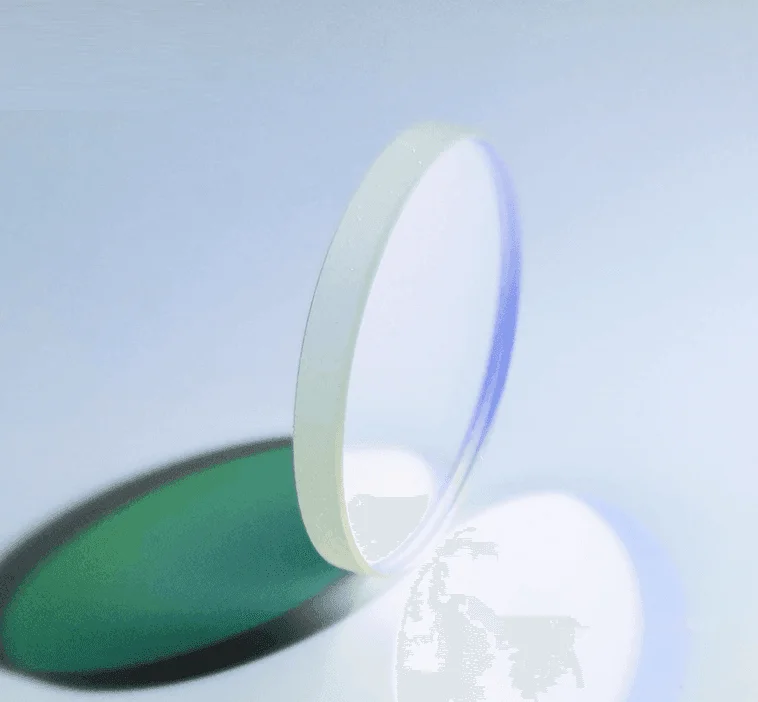
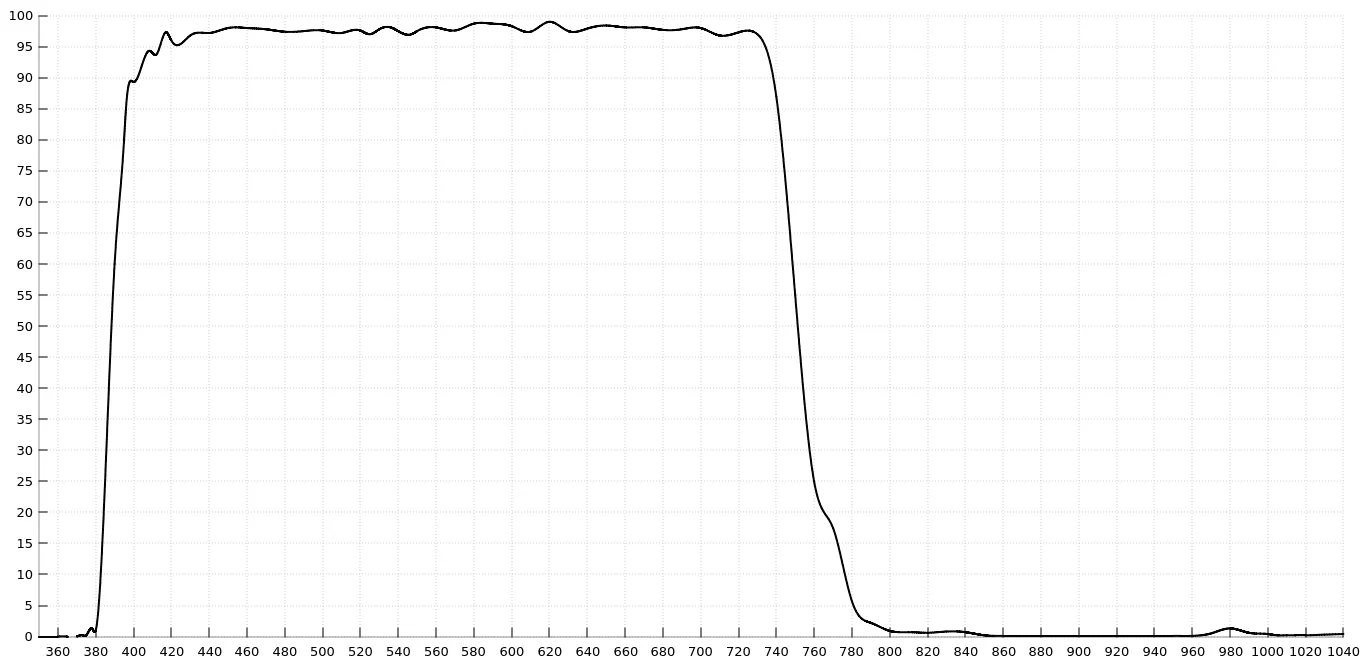
A photometry-grade filter was considered but rejected: cost is high, and its accuracy benefit is undermined by the prevalence of broad-spectrum LED lighting in modern skies. The dichroic filter gives a sensor response that closely matches human vision and the spectral response of typical astronomy cameras, both useful reference points for sky brightness assessments.
The filter doubles as a weatherproof window for the sensor, keeping moisture and contaminants out while maintaining optical clarity.
Field of view
The sensor is designed to monitor the majority of the sky rather than a narrow zenith patch. Sensitivity is 100% directly above the sensor and drops to approximately 20% at nearly 120° from the axis, giving the device a wide-angle view comparable to both human eyes combined.
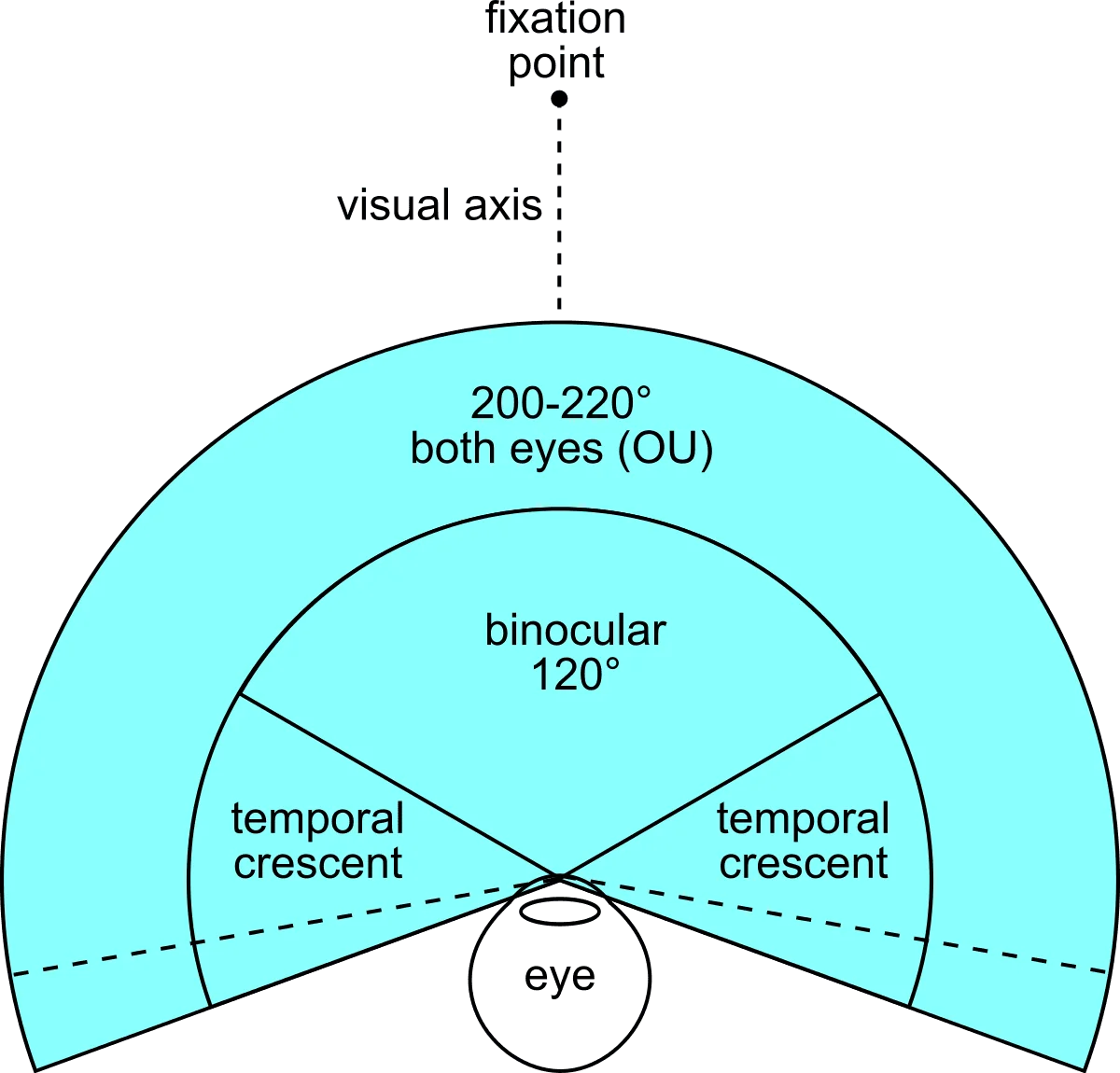
This wide-field approach prioritises monitoring the sky as a whole rather than a single point. A narrower, light-concentrating sensor was considered, but it meant a slight safety issue under certain extreme conditions—and since the CloudWatcher's primary mission is safety, the wide field of view won out.
The sensor hardware
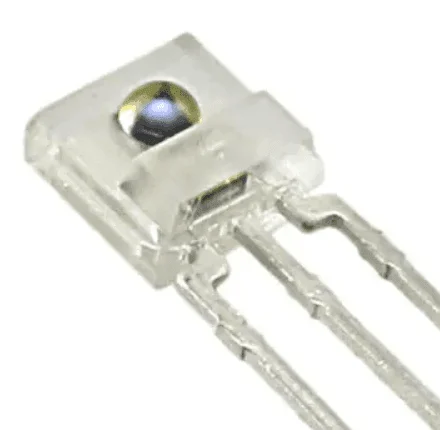
The sensor ships with a basic factory calibration. Users who need more precise absolute sky quality measurements can perform their own calibration independently: see the step-by-step calibration guide (PDF).
What you can do with it
The light sensor data is available through the standard CloudWatcher software and ASCOM driver alongside all other sensor channels; no additional setup is needed to start logging brightness readings.