The two essential mounting rules
CloudWatcher is designed for permanent outdoor installation. Sensor accuracy depends on correct positioning, particularly for the infrared cloud sensor, which must have a clear view of the sky, and the rain sensor, which must allow water to drain away quickly.
Do
- Use the included fixing kit to mount the unit
- Position the cable pointing straight downwards
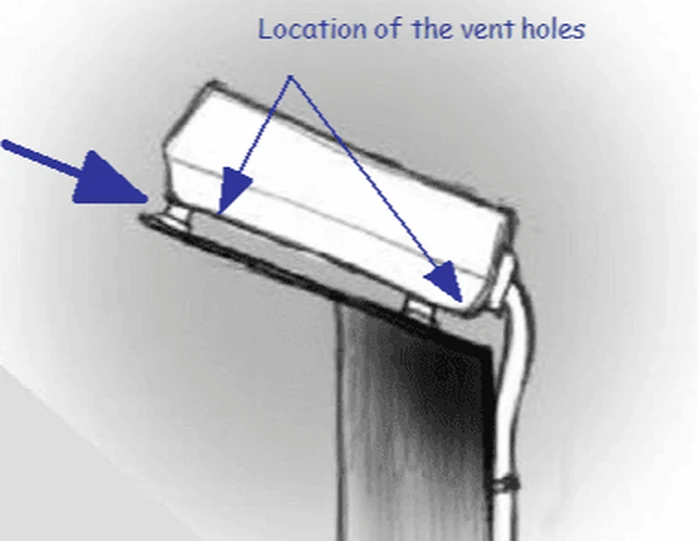
- Allow a small tilt if needed so rain drains away from the sensor
- Mount where the sky view overhead is unobstructed
Don't
- Mount directly on a flat surface without the fixing kit spacers
- Route the cable upwards out of the connector
- Position under an overhang or partial roof cover
Why the fixing kit matters
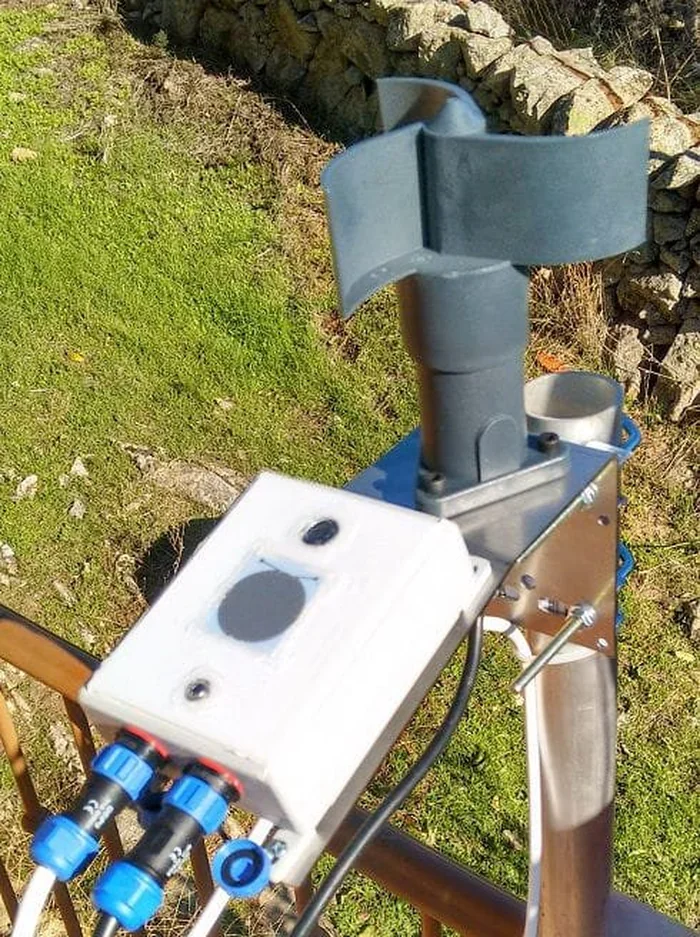
The fixing kit elevates the CloudWatcher slightly from the mounting surface. This spacing serves two purposes: it allows air to circulate freely around the humidity and temperature sensors below the unit, and it prevents heat from the mounting surface (a roof, pole, or wall) from affecting sensor readings.
Mounting directly on a flat surface without the spacer will trap warm air beneath the unit and degrade humidity and temperature accuracy.
Cable pointing downwards—why it's critical
The USB or serial cable must exit the CloudWatcher pointing downwards. With the cable pointing up or sideways, water can run along the cable and into the connector, causing corrosion or electrical faults over time. With the cable pointing down, any moisture runs off and away from the connector.
Before you fix it permanently
Test the position first with the cable connected but the unit not yet fixed. Check that the cable hangs naturally downwards without straining the connector. If your mounting location makes this difficult, use a cable clip or strain relief bracket to redirect the cable below the unit before it runs along the structure.
Choosing the mounting location
The ideal position for a CloudWatcher is an open location with a clear view of the sky above, similar to where you would put a rain gauge. Avoid:
- Nearby heat sources—air conditioning vents, chimneys, or equipment exhausts will affect cloud temperature readings
- Overhangs or partial cover—the rain sensor needs to detect actual precipitation falling from above, not wind-driven spray
If you are installing alongside an anemometer, mount it so it does not block the sensor's sky view.
Installation in practice