The problem: the leaning pier

A pier column that shifts over time — however slightly — forces the mount polar alignment to drift. Even a small tilt at the pier head translates to a measurable polar alignment error. In an unattended remote observatory, this drift goes unnoticed until guiding performance degrades or meridian limits shift unexpectedly.

Example of a problematic telescope pier — visible tilt
A tilting pier — the bane of remote observatories.
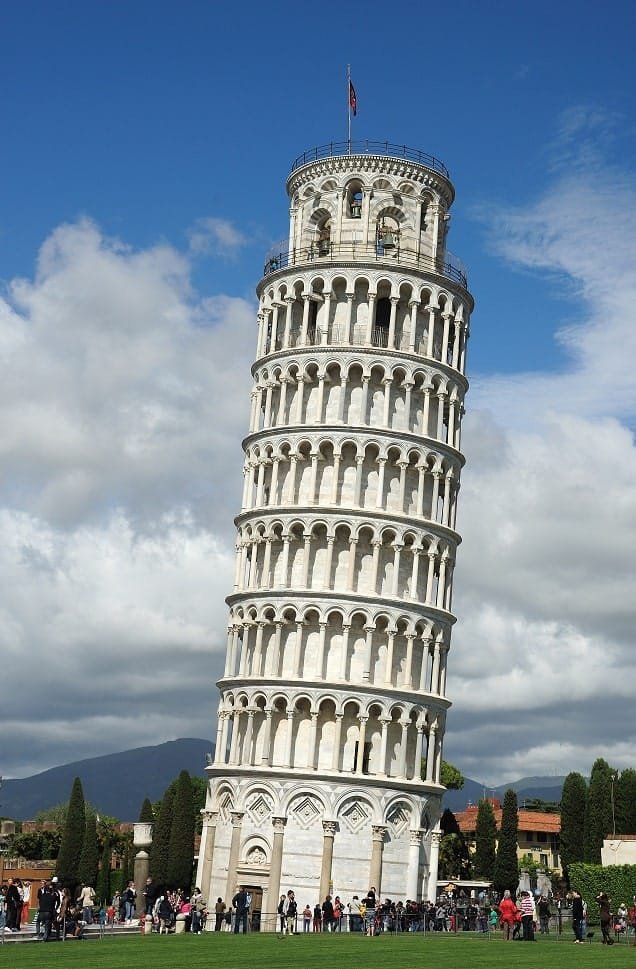
Torre de Pisa — leaning tower analogy for a tilting pier
The leaning tower — not what you want in an observatory.

The solution: fixed pier head

The Lunatico fixed pier head adapter replaces the top section of the pier column with a rigid, non-adjustable interface. Instead of relying on bolts that can loosen or a levelling mechanism that can drift, the adapter locks the mount attachment point in place permanently once set true.

This approach trades the convenience of in-place adjustability for mechanical stability that does not degrade over time. Once aligned, a fixed pier stays aligned — through temperature swings, vibration, and years of operation.

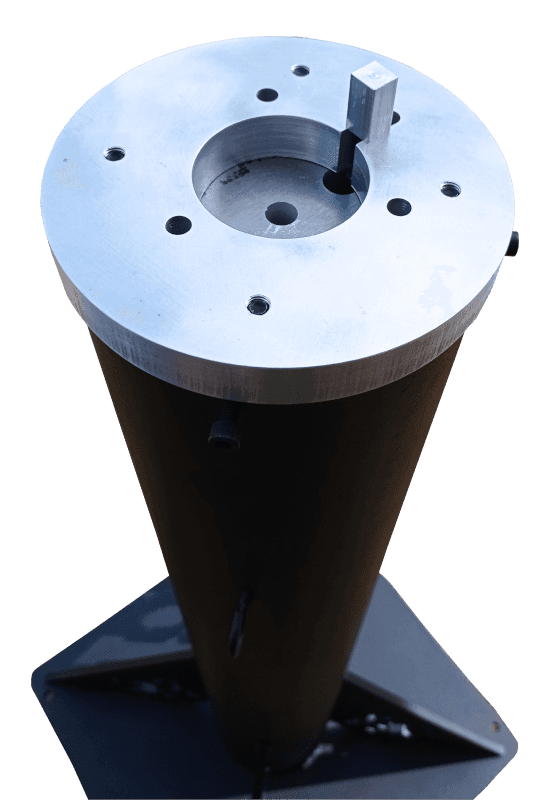
Lunatico fixed pier column — full view
The Lunatico fixed pier column — rigid and stable by design.

The adapter

The adapter connects the fixed column to the mount attachment interface. It is machined to precise tolerances to ensure that once the column is set plumb, the mount sits correctly on top without requiring any further adjustment.

Lunatico pier head adapter — machined interface detail
The adapter — precision-machined for a rigid, repeatable mount interface.

For remote observatories: The value of a stable pier is greatest in an unattended setup. When no one is there to check polar alignment before each session, a pier that holds its position is not a convenience — it is a prerequisite for reliable automated operation.