
A thin layer of Plastidip on the rain sensor will protect it from UV, affecting very little its sensitivity. Otherwise, a lack of protection in the rain sensor limits its life to between 1 and 3 years.
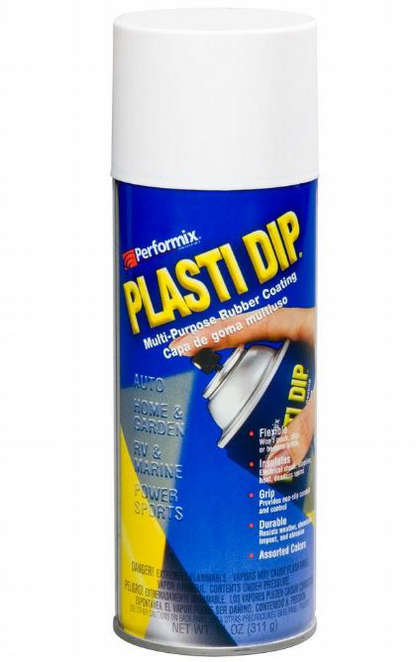
Applying it is really easy. This is our procedure:
1. Mask the unit
Cover the IR sensor (centre of it) carefully—we use a small sticker, as in the image:
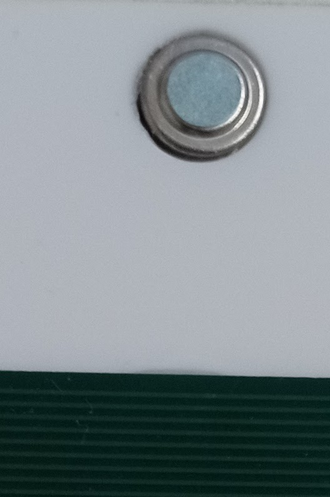
Cover also most of the rain sensor. And also add an outer mask to avoid making a mess, leaving uncovered a big rectangle including all 3 sensors. Cover also the cable connectors.
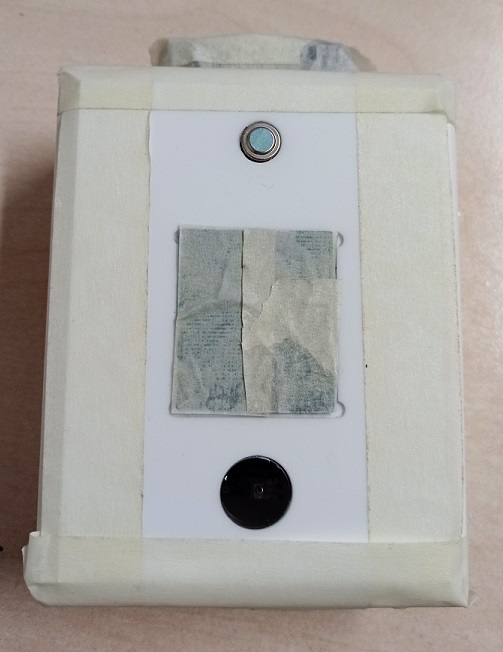
2. Coat the whole device
Apply a few thin layers all over the device. 2 or 3 layers will be enough. Spray from 20 cm or so, a couple of seconds each pass, as you move from one side to the other.
3. Coat the rain sensor
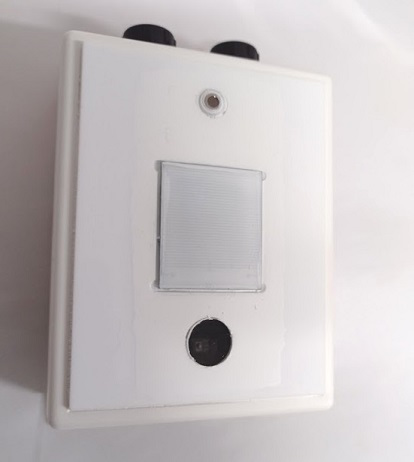
Remove the cover of the rain sensor and apply a few layers, lightly, until the rain sensor is fully covered—but do not overcoat. Basically, stop when the white layer covers the sensor completely. See the final image below.
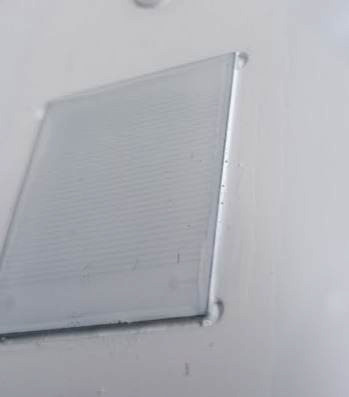
4. Let it dry and remove the covers
When the Plastidip is dry (2-3 hours), remove the IR cover very carefully, and also the Plastidip covering the light sensor's clear window.
5. Fill the gaps with a brush
We now need to apply a bit of Plastidip with a brush, to cover the gaps around the sensors, if there are any. In order to do so, we spray the inside of a jar lid (any non-porous surface will do—we'll use it as a painter's palette), and take the Plastidip from there with the brush, carefully filling the gaps.
And that's all—your CW is ready to work effectively for many years 🙂
If you have problems during the procedure, and want to start from zero, removing it is quite easy: it will tear off nicely once dry.