

A lot has happened since 2006, when Jaime decided to take a new direction in his professional career, leave financial software behind, and turn one of his passions into a way of life.
Back in 2006, there were already several shops and companies in Spain dedicated to amateur astronomy, and knowing that this is not a particularly large or popular market, we felt from the outset that we had to do something different:
Develop our own products for amateur astronomers and their observatories, focusing on reliable, practical and affordable solutions.
We started slowly that same year with ZeroDew, our anti-dew system.
It is a simple product, but that has not prevented it from evolving and improving over the years (with controllers offering multiple connection options and USB solutions for heating bands). It is highly reliable and remains a popular choice among astronomers dealing with humidity issues in their equipment.
Just over a year later, in 2008, Seletek arrived, bringing a fresh approach to what was then understood as automated focusers.
With Seletek, we moved from single-port devices and serial connections offered by competitors to a controller capable of handling two motors, with USB connectivity, compatible with all major software and systems (ASCOM, Linux/INDI, and Indigo).
Within a few years, Seletek evolved into improved versions: Armadillo, Platypus (for three motors), and Limpet (with WiFi), always supported by a wide range of custom brackets for almost every focuser on the market.
With Seletek, Lunaticoastro entered the European market, first through direct sales and later through major distributors who showed interest. Today, the trend is moving towards all-in-one solutions, and fewer users prefer standalone controllers, but that does not change the fact that the Seletek family remains highly reliable and versatile in its independent controller format.
Also in 2008, we launched the CloudWatcher.
With more than 3,500 units distributed worldwide, it is our flagship product and the one that has allowed us to become known globally, establishing itself as a benchmark in the measurement of sky conditions, especially in cloud detection and the monitoring of conditions for remote observatories.
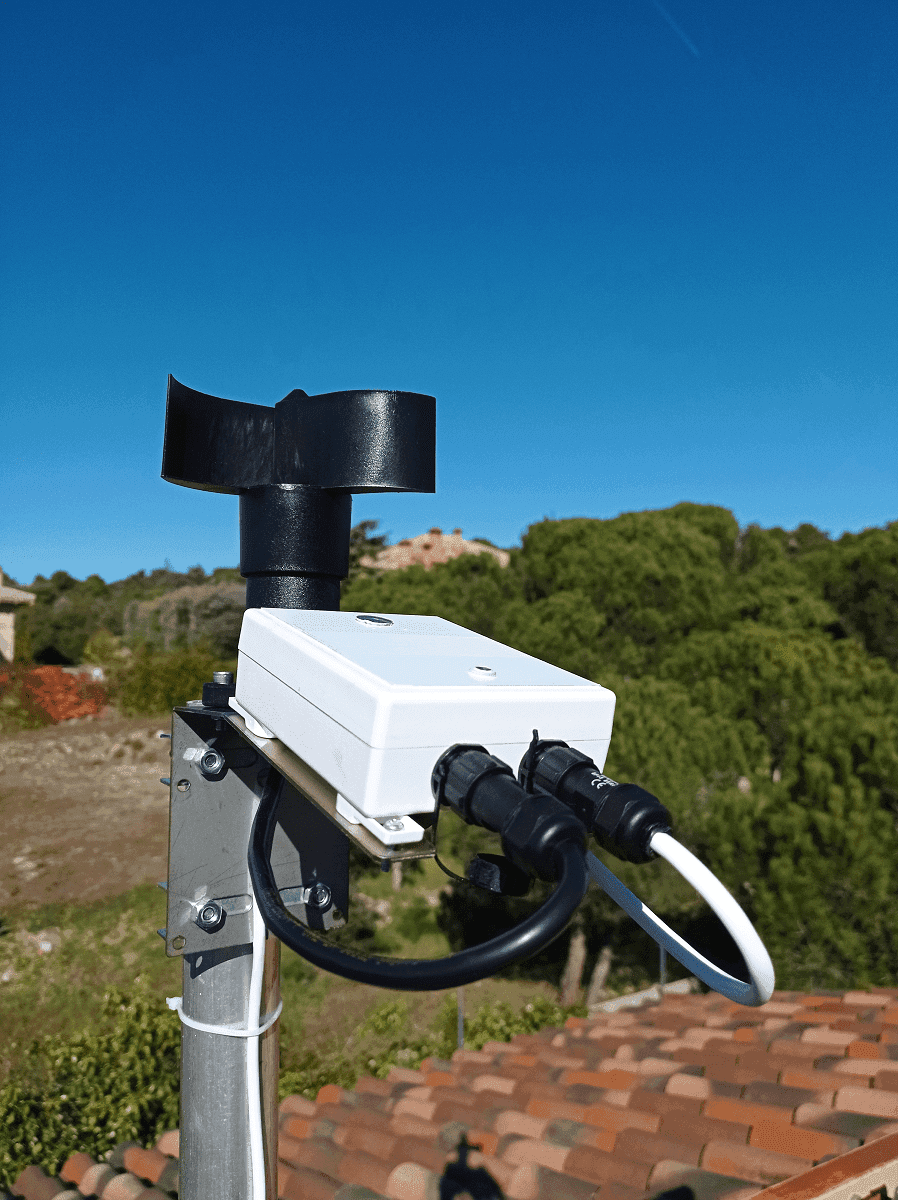
The CloudWatcher is another example of continuous evolution and improvement. A lot has changed since the early units, which were fully encapsulated in resin and had fixed cables that could not even be repaired.
First came detachable cables, then the anemometer, the SOLO version with its web server, and new humidity and atmospheric pressure sensors. Later came the extended rain sensor or the Hydreon RG-9 adaptation, and more recently the sky quality measurement sensor — all within a device that can be repaired at a reasonable cost. This is very much in line with our company philosophy.
A few years later, in 2013, we launched Firefly, our first remote observatory controller and the predecessor of the current Dragonfly, which was introduced in 2016.
The Dragonfly allows you to operate a roll-off roof observatory remotely, even from a mobile phone, making it a complete solution for the control and automation of remote observatories.
Switch devices and lights on and off, open and close the observatory, send alerts and emails, park mounts, connect to the CloudWatcher to assess weather safety, and act accordingly in an automated way.
Thanks to its ultra-noise-resistant technology, it is extremely reliable and safe. The initial recognition from Sky & Telescope, awarding it a Hot Product award in 2018 shortly after its launch, has been reinforced by the trust of more than 800 customers worldwide.
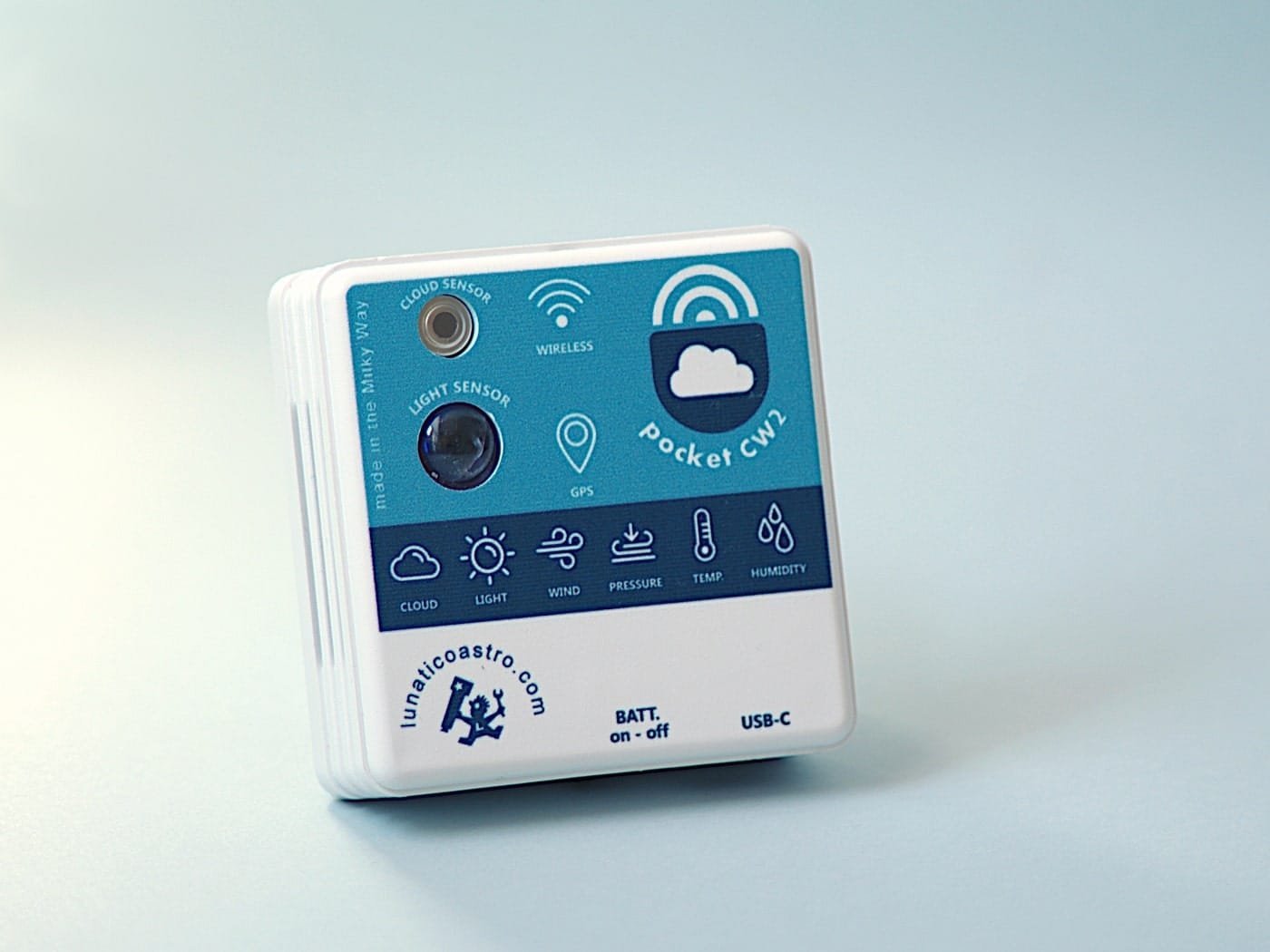
In 2018, it was time for the PocketCW, which was also awarded a Sky & Telescope Hot Product in 2019.
It is our portable solution for cloud detection, sky quality measurement, and more.
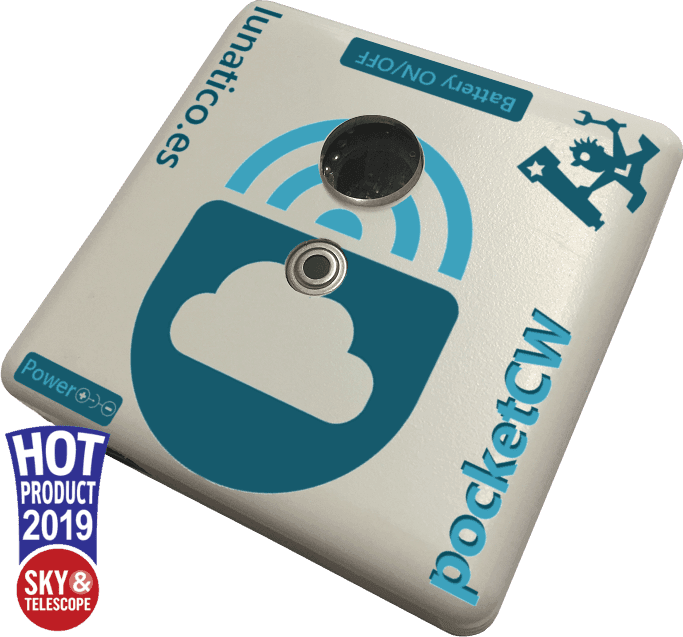
All the experience gained in the field of meteorological sensing, condensed into a compact 7×7 cm device.
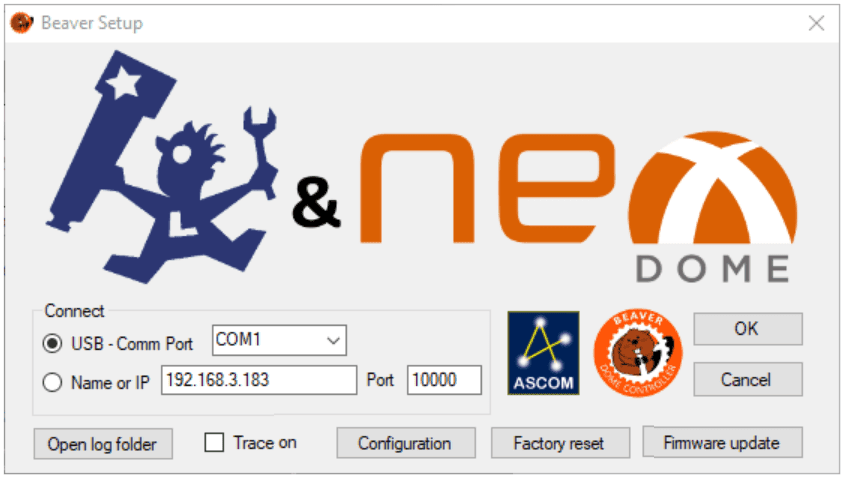
Just two years later, in 2020, Beaver was introduced to control NexDome domes.
Thousands of units installed worldwide speak for its success.
And this year, 2026, to mark our twentieth anniversary, we have introduced:
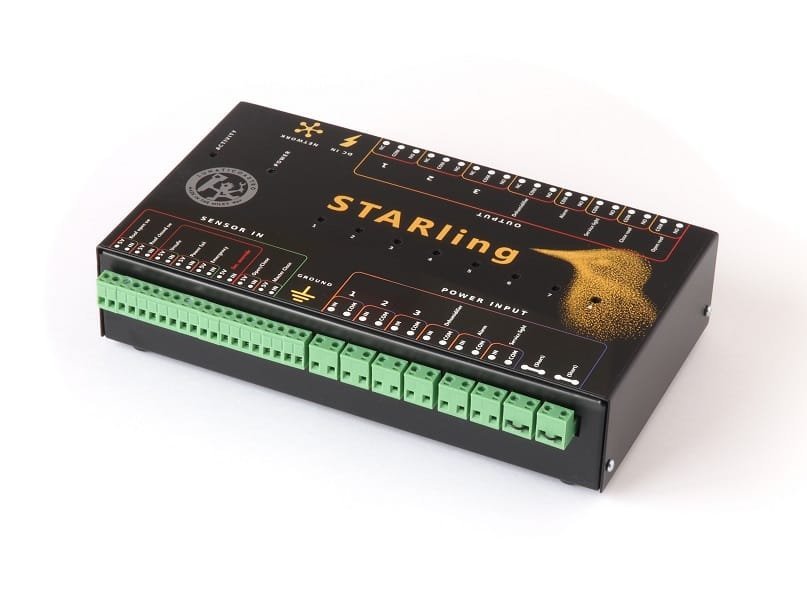
The Starling, the safest solution for shared professional and semi-professional observatories.
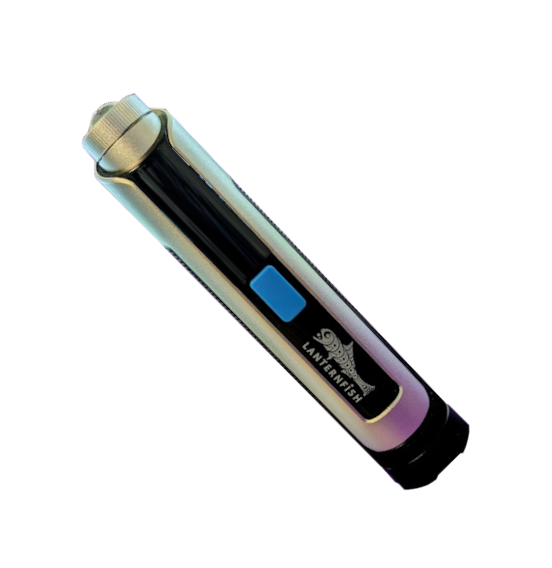
And the Lanternfish, a portable sky quality meter in MPSAS, designed to measure the darkness of the night sky quickly and accurately.
The Lanternfish can automatically log measurements with date and time, and allows access to data through its built-in WiFi web interface, while also displaying the readings directly on its screen.

This is, in short, the story of 20 years of Lunaticoastro.
We hope our little “zoo” — with starlings, dragonflies, armadillos, caterpillars, tarsiers… and soon meerkats — will continue to grow for many years to come, supported by the trust of our customers, distributors and friends, as we keep developing solutions for cloud detection and the control and automation of observatories. Thank you for being there.
By the way, all our product names have a story behind them, but that is a story for another time 🙂