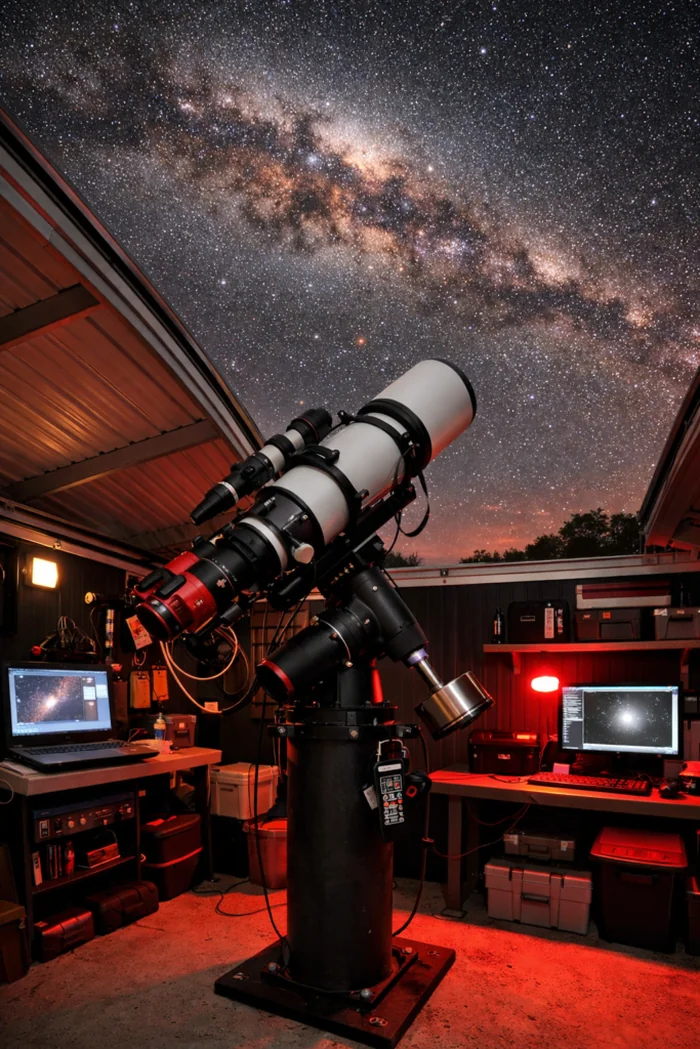
We design and build instruments for remote and automated observatories: cloud and rain detection, roof and dome control, sky quality monitoring and more.
We’ve been doing it since 2006, for amateur astronomers, remote observatories and professional installations around the world.
✦ Made in the Milky Way
Every observatory is different. You may only need to monitor the weather, or you may want the whole observatory to run unattended.
Here’s what you can automate, and the products we make for each job.
Weather & Sky Monitoring
Know when it’s safe to open and when to close. Monitor clouds, rain, humidity, wind and sky quality.
Observatory Control
Open and close your roof or dome automatically, and control the motors, switches and sensors involved.
Alerts & Emergency Protection
Get an alert when something needs attention, and make sure the observatory closes safely if nobody responds.
Other Observatory Essentials
Dew control, mounting solutions and other useful equipment for your observatory.
Our Automate Your Observatory guide explains the different options, from basic weather monitoring to a fully automated observatory. Read it before buying anything.
Setting up, configuring and using our products, on video. Everything we have, by product, on one page.
CloudWatcher and Dragonfly are where most customers start, and products they keep for many years.
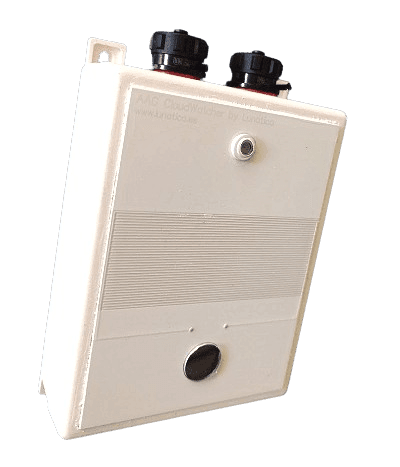
Measures cloudiness, rain, sky quality and temperature, with optional humidity, pressure and wind sensors. Our cloud detector since 2008.
 Learn more →
Observatory Control · Since 2016
Dragonfly
Learn more →
Observatory Control · Since 2016
Dragonfly
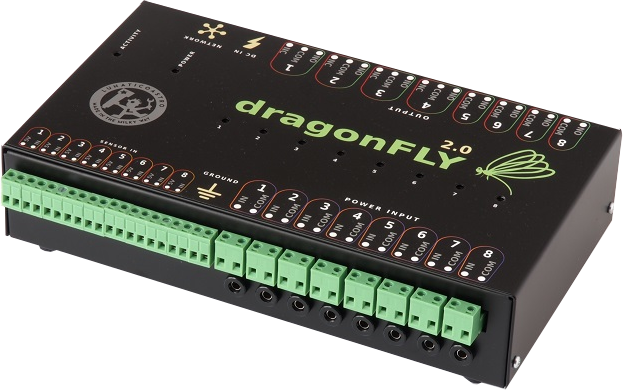
Controls roll-off roofs and other motorised enclosures. Controls power for observatory devices. Works standalone or integrated with the CloudWatcher for fully automated operation.
 Learn more →
New · 2026
Sky Quality Meter
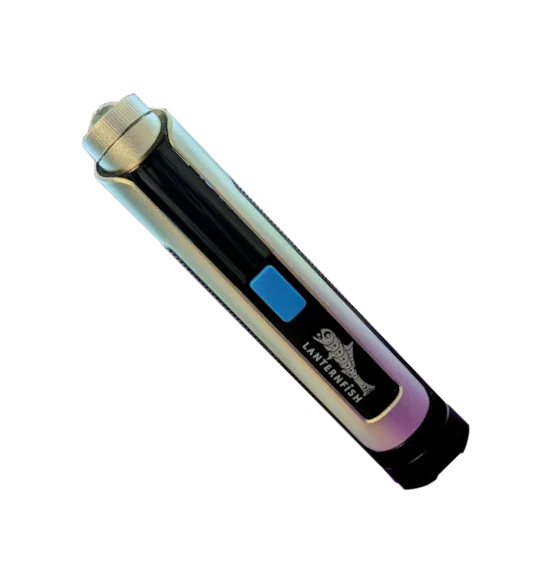
Lanternfish
Learn more →
New · 2026
Sky Quality Meter
Lanternfish
A configurable, portable Wi-Fi sky quality monitor. Measures MPSAS and makes the data available to other devices.
 Learn more →
Observatory Control
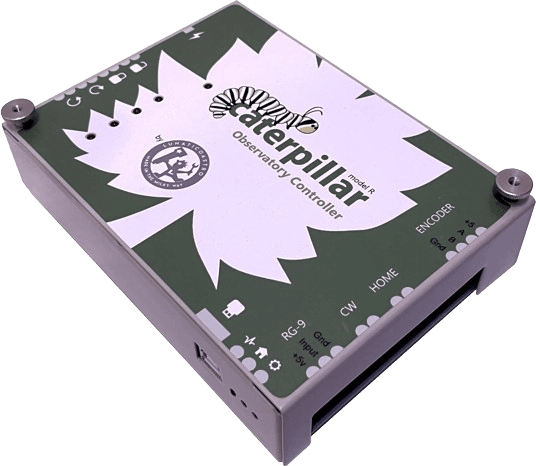
Caterpillar
Learn more →
Observatory Control
Caterpillar
Advanced controller for dome automation. Manages rotation and shutter, with support for stepper, DC and three-phase motors. ASCOM and INDILib compatible.
 Learn more →
New software
Shared Observatory Control
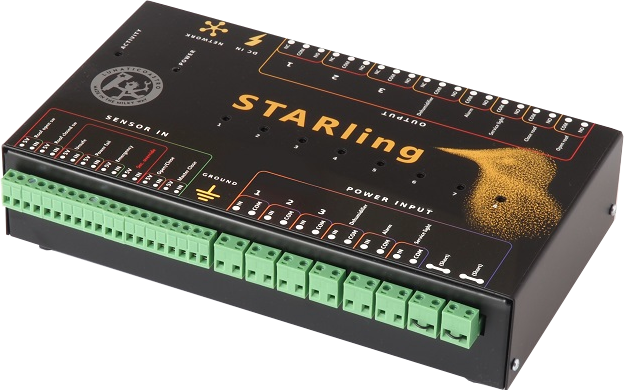
Starling
Learn more →
New software
Shared Observatory Control
Starling
Roll-off roof controller for shared observatories. Multiple users, one roof. With independent interfaces, coordinated access control, and safety measures.
 Learn more →
Portable Cloud Detector
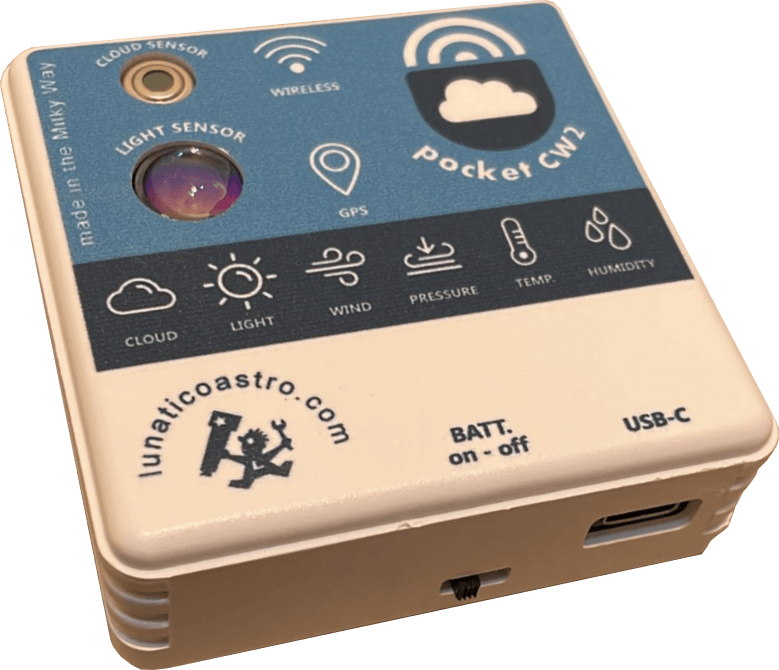
PocketCW2
Learn more →
Portable Cloud Detector
PocketCW2
Portable Wi-Fi cloud detector measuring cloudiness, sky quality, temperature, humidity and pressure, with wind detection. Includes a free app for monitoring from different devices.
 Learn more →
Software releases, firmware updates and product announcements.
Lunaticoastro was born in May 2006 from the passion for astronomy of its founder, Jaime Alemany, an amateur astronomer since he was young. After many years of carrying telescopes, mounts, cameras, batteries, eyepieces and endless cables through cold nights, he decided there had to be an easier way. So Lunaticoastro started making products to make astronomy a little easier and safer. More than twenty years and a small team later — with Cristobal still around, wrench in hand — we're still doing it, now from both Spain and New Zealand.
We don’t build products with planned obsolescence. If something can be repaired, we want it repaired.
We say what our products do - and what they don’t.
You get answers from people who know the product. Good human customer support can't be replaced!

 CloudWatcher
 Lanternfish
 PocketCW2
 Dragonfly
 Caterpillar
 Beaver
 Starling
 GNS
GNS LLLOD
LLLOD ZeroDew
 DuoScope